A printable plan works best when it matches real life, not an imaginary perfect week. I built this guide around short home sessions, clear checkboxes, and routines that are easier to repeat. Public health guidance supports spreading activity across the week and including both aerobic and muscle-strengthening work.
The schedule below follows the kind of structure I have kept in my own workout log since 2019. The goal is a plan you can return to after busy weeks, not another sheet that makes you feel behind.
Weekly Workout Plan Overview
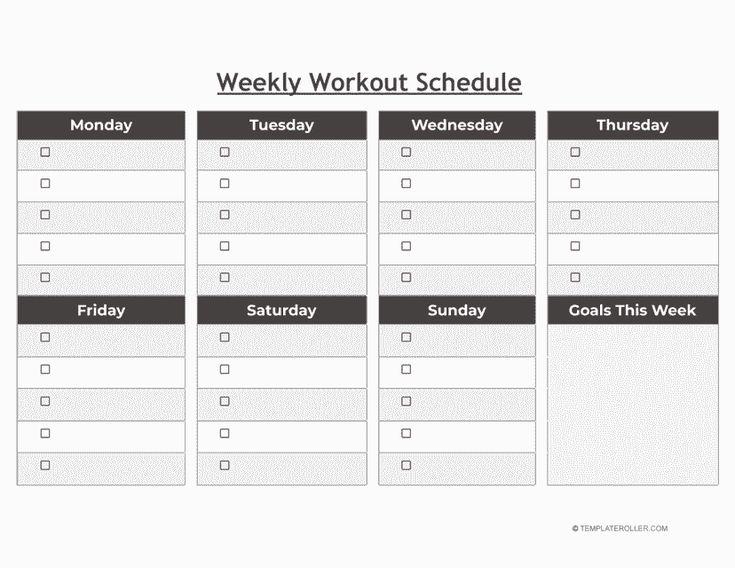
A weekly workout plan gives each day a job before the week gets crowded. My printable version uses simple daily sections so I can see strength, cardio, mobility, and recovery without overthinking it.
The format I return to most includes the workout name, real total time, equipment needed, and a small notes area. My rule from nearly 900 logged sessions is simple: repeatable beats impressive.
Weekly plan essentials
- Strength days for resistance practice
- Cardio days for steady movement
- Mobility and recovery space
Monday Strength Training Schedule

Monday strength sessions are where I usually start because they need the most attention. A realistic home version for me takes about 25 minutes total including setup, with around 2 metres of floor space and dumbbells or a no-equipment substitute.
My apartment-friendly strength days stay quiet: no jumping, no dropping weights, and no furniture rearranging. The noise rating is quiet, and I have repeated this style of session more than 60 times.
- Equipment: Mat, chair, light or heavier dumbbells, or bodyweight
- Alternative: Use household items only if they feel stable and appropriate
- Reminder: I stop for pain, dizziness, chest pain, or unusual shortness of breath
Tuesday Cardio Workout Routine

Cardio does not need to mean a loud apartment workout. My favourite printable cardio slots are low-impact movement blocks that fit between meetings and do not annoy the neighbour downstairs.
A realistic entry on my planner says 20 minutes of work plus a few minutes to change and clear space. The noise rating is quiet to some impact depending on the movements, so jumping stays off my apartment list.
Small-space tip
Walking, marching, and low-impact patterns can fill a cardio slot without turning the living room into a fitness studio.
Wednesday Flexibility and Mobility Plan

Midweek mobility keeps my plan from becoming only hard workouts. Flexibility work is one part of a balanced routine, and sources like the American Heart Association recommend including different types of exercise across the week.
My mobility page usually takes 15 minutes total, needs about 2 metres of floor space, and has a quiet noise rating. The equipment verdict is easy: a mat helps, but buying extra gear is unnecessary for most beginners.
- Warm up. Move gently before stretching-focused work.
- Slow down. Keep movements controlled and comfortable.
- Stop. Sharp pain is a reason to pause, not push through.
Thursday Full Body Workout Checklist
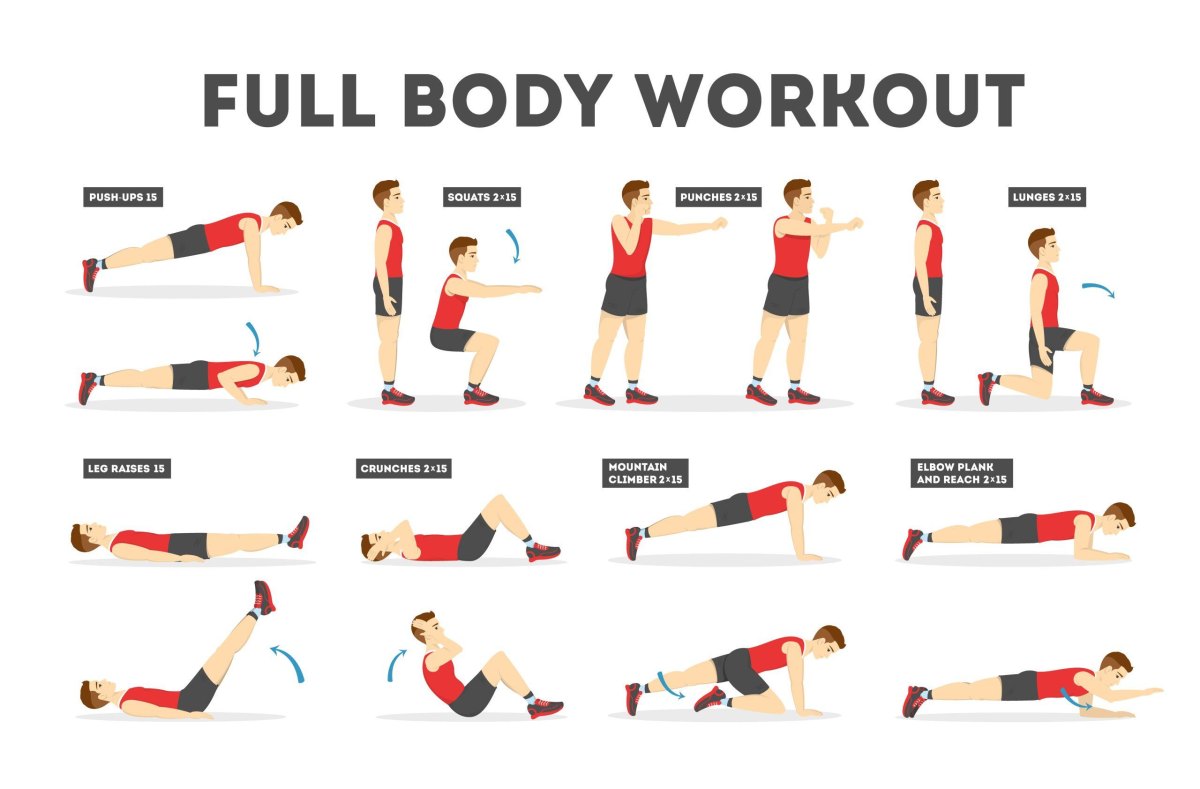
Thursday is my full-body checklist day when I want one session that covers everything without creating a complicated spreadsheet. The version I repeat most takes 30 minutes including setup.
This routine needs a mat, chair, and optional dumbbells. The noise rating is quiet, and the no-equipment version works well when I travel or have not exercised for a while.
- Warm-up completed
- Main movement session finished
- Equipment put away
- Notes added for next week
Friday Muscle Building Workout Plan

My Friday plan is about practicing resistance work consistently rather than chasing a perfect session. Muscle-strengthening activities are included in major activity recommendations for adults.
The printable version tracks exercises, sets, and notes. I have used this style around 40 times because recording what happened makes repeating a useful session much easier.
What works
- Easy to repeat
- Clear equipment list
What does not
- Needs patience
- Progress is not instant
Saturday Active Recovery Schedule

Saturday recovery is still a scheduled part of my printable plan. Active recovery usually means lighter movement such as walking, stretching, or easy cycling rather than another hard session.
My version takes 20 minutes, needs no equipment, and has a quiet noise rating. It is the page I appreciate most after a busy week because it keeps the habit visible.
Recovery reminder
If I am dealing with pain, illness, or symptoms that worry me, I treat that as a reason to seek appropriate advice rather than forcing a workout.
Sunday Rest and Recovery Tracker

A rest tracker might look empty, but that blank space is useful. My Sunday page records sleep, energy, and whether I am ready to restart the next week with a realistic plan.
I do not count rest as missing a workout. It is part of the schedule, especially after weeks when consistency matters more than adding extra sessions.
| Tracker item | Example note |
|---|---|
| Movement | Walk or gentle mobility |
| Recovery | How my body feels |
Weekly Workout Progress Tracker
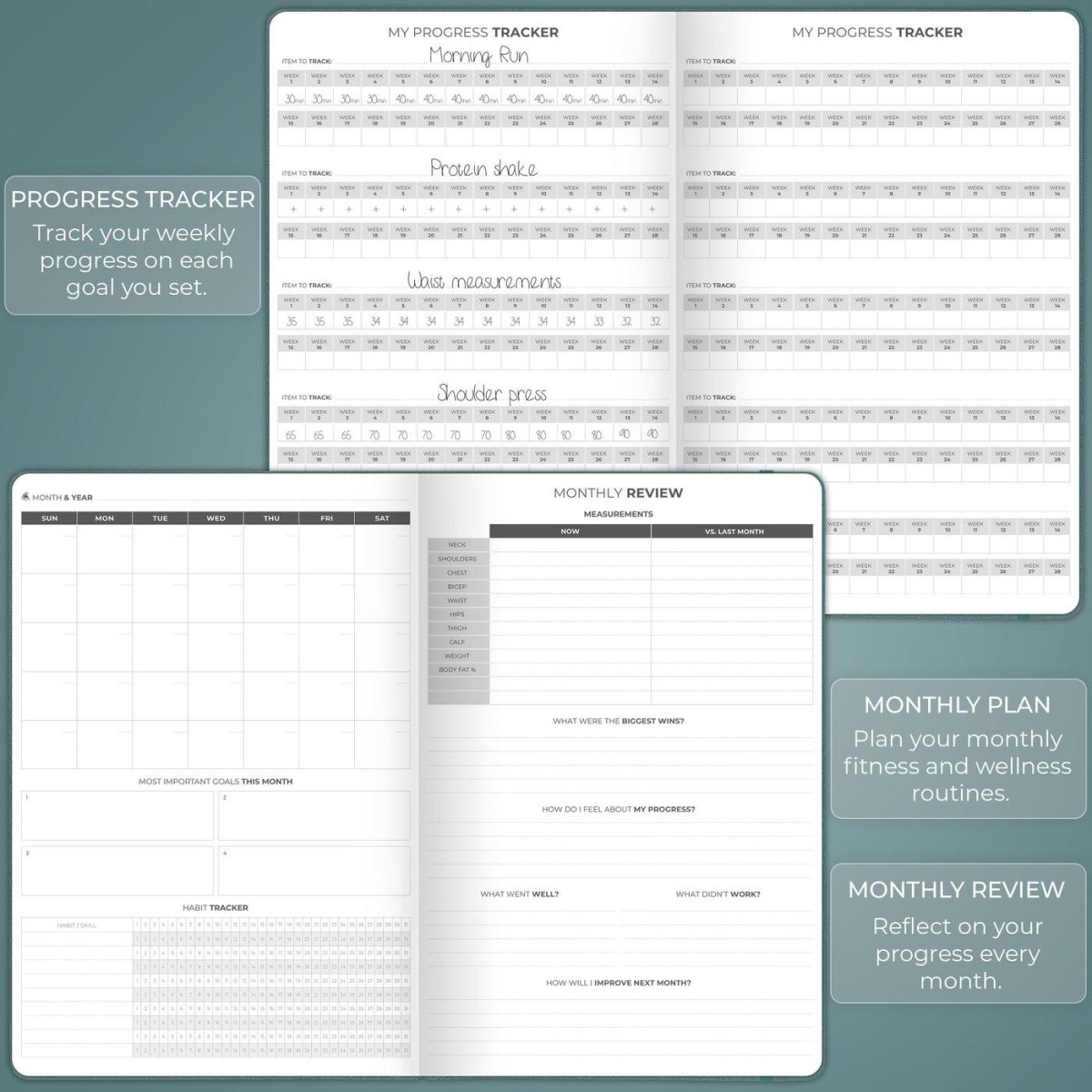
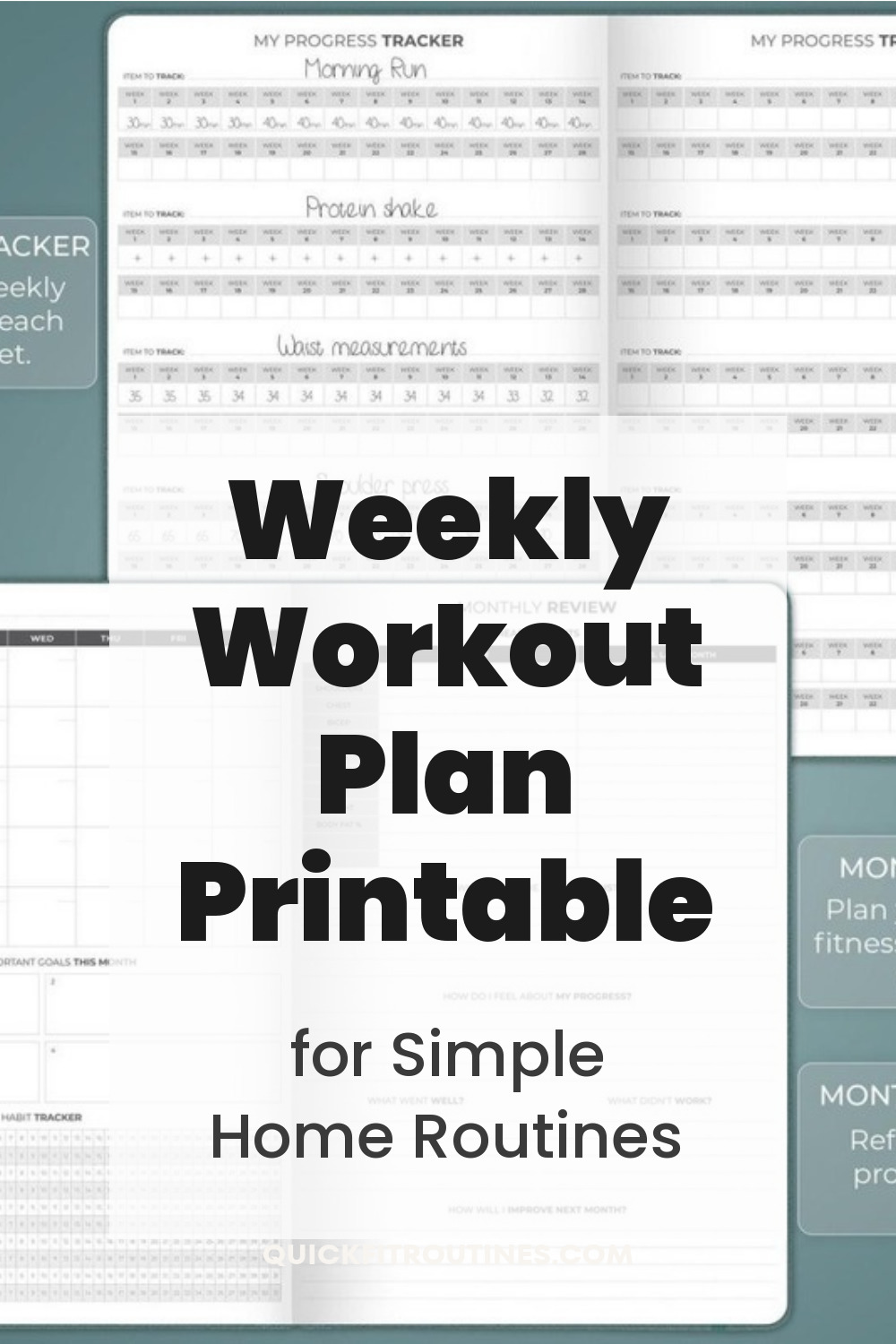
The most useful progress tracker is the one I actually fill in. Mine focuses on completed sessions, repeated workouts, and notes about what made a routine easy or difficult.
A five-minute weekly review tells me more than a complicated rating system. The questions are simple: Did I have enough space? Was the timing realistic? Would I repeat it?
900+
home workout sessions recorded in my personal log
Printable Exercise Goals and Notes Page
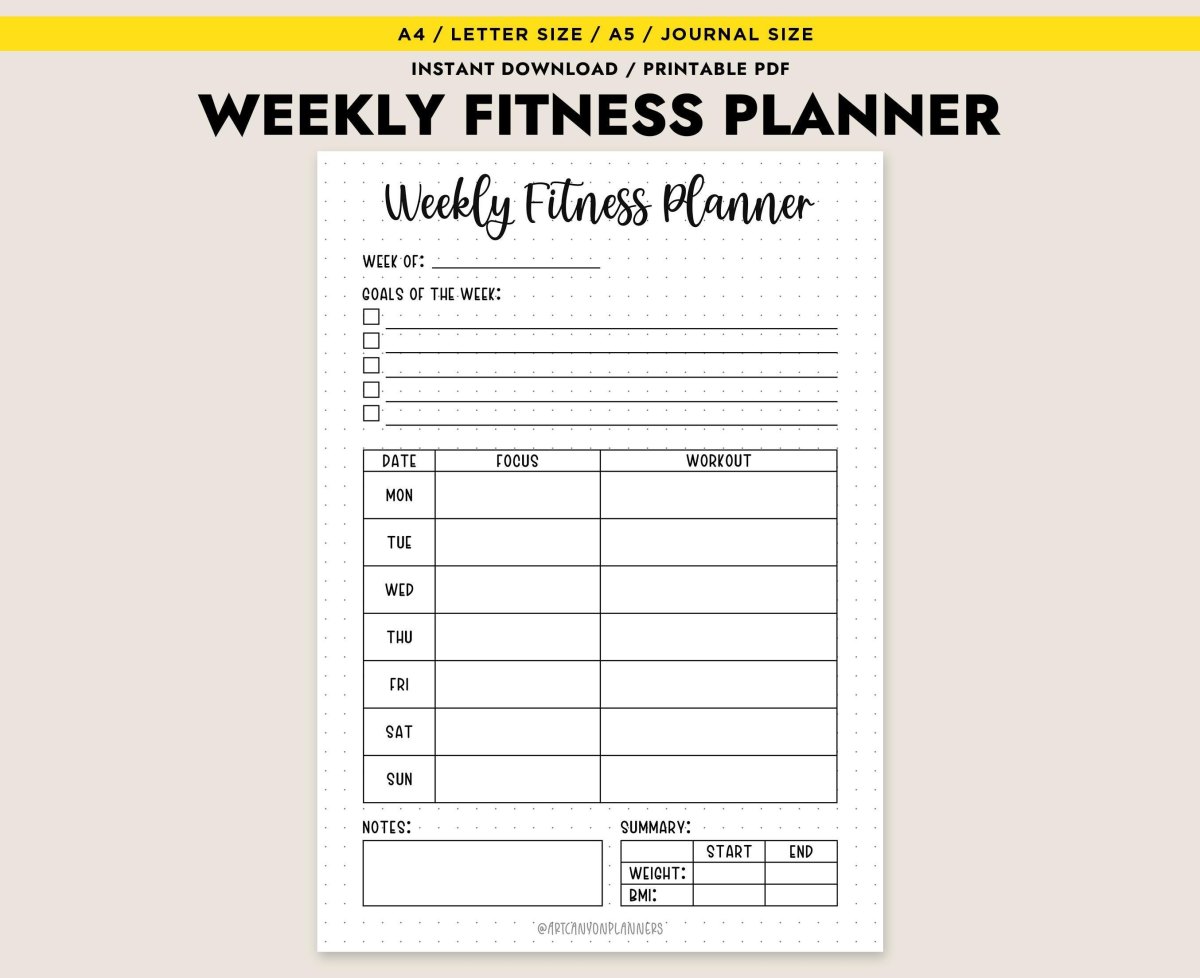
The notes page is where the printable becomes personal. I use it for small observations like changing the workout time, reducing setup, or remembering which equipment was actually useful.
My favourite goal is not a dramatic promise; it is a practical one: create a routine with fewer barriers so returning after a busy week feels possible.
A useful final note
Start with the version you can repeat. A simple page that gets used is more valuable than a perfect plan that stays in a drawer.

More Pinterest Visuals