Two weeks is enough time to build a more consistent routine, but I avoid promising dramatic body changes on a deadline. My approach at Quick Fit Routines has always been about finding habits that actually happen when life is busy. Research-backed approaches focus on sustainable activity, balanced eating patterns, sleep, and stress management rather than quick fixes.
This guide focuses on practical changes I would actually keep in a small apartment routine. Think short sessions, realistic setup time, and choices that are easier to repeat than a complicated plan.
Create a Calorie Deficit with Balanced Meals
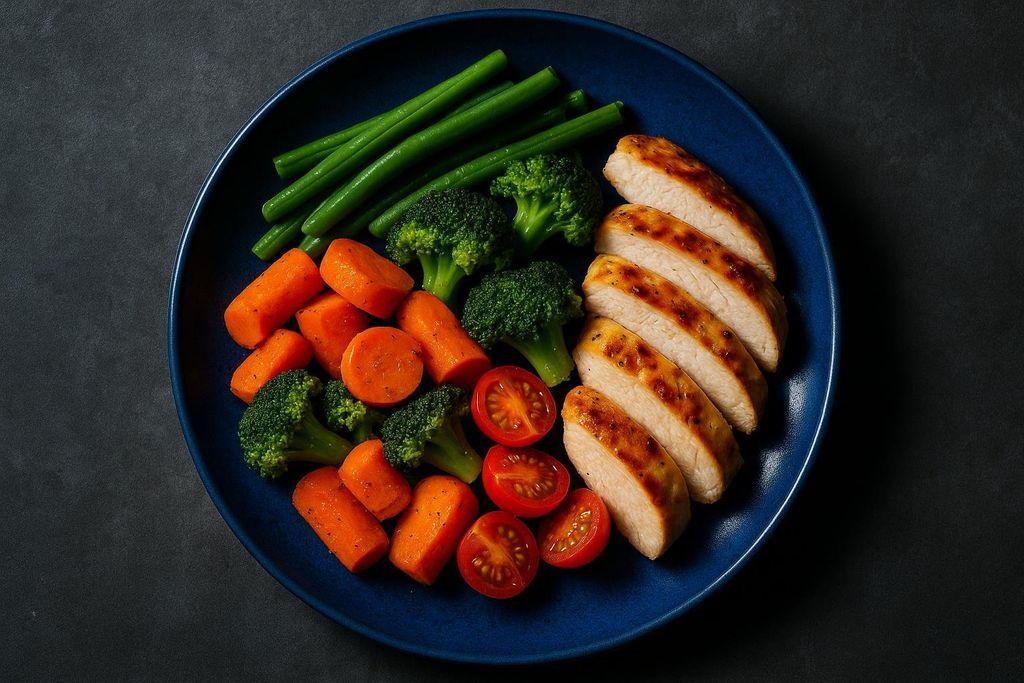
A calorie deficit is one factor used in weight management, but I leave detailed food planning to registered dietitians because nutrition is outside my lane. General guidance from health organizations emphasizes a balanced eating pattern that can be maintained over time.
For my workouts, the useful takeaway is simple: consistent movement habits work better when they fit alongside your normal routine. A two-week reset should not require extreme rules that disappear after fourteen days.
What I would focus on
- Choose routines you can repeat without rearranging your whole day.
- Pair movement goals with realistic lifestyle changes.
- Skip approaches that rely on punishment or perfection.
Increase Protein Intake to Support Fat Loss

Protein is often discussed in body composition research, but I keep my role clear: I am not a nutrition professional. Evidence suggests protein intake can influence fullness and other factors, while individual needs are best discussed with a qualified professional.
The exercise side is where I have more experience. When a routine is simple enough to repeat, it is much easier to track progress through reps and consistency rather than chasing a perfect plan.
Small routine tip
Before changing your diet, consider asking a registered dietitian if you have questions about your personal nutrition needs.
Add High-Intensity Workouts for Faster Results

High-intensity interval training can be time-efficient, which is why it appears often in fitness research. Reviews suggest HIIT can improve cardiorespiratory fitness, although it is not a magic shortcut.
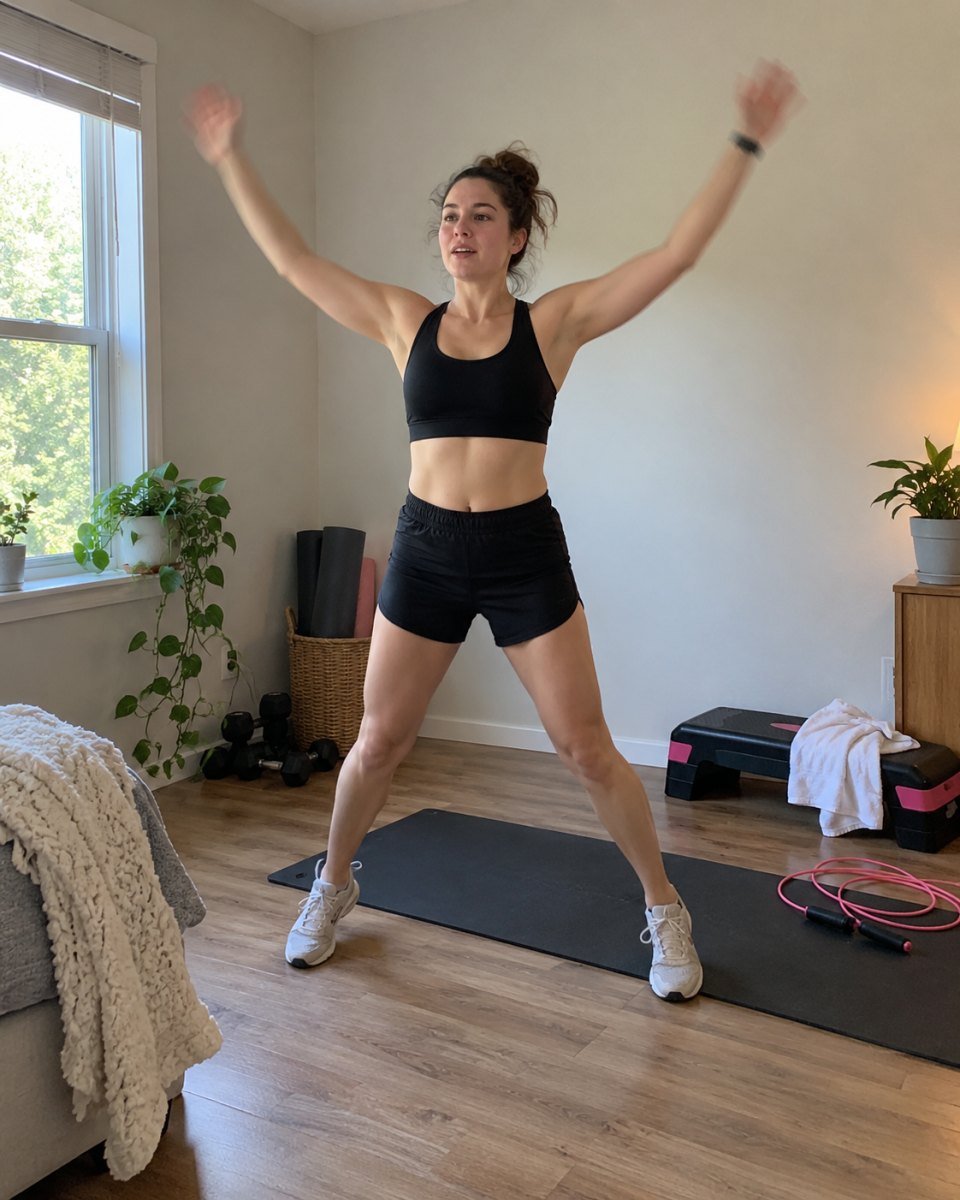
The version that works in my apartment is quieter than the internet usually shows. A simple interval session I repeat takes about 20 minutes total: five minutes to warm up, ten minutes of intervals, and five minutes to cool down. Space needed is about two metres by one metre. Noise rating: quiet if I remove jumping, some impact if I add faster movements.
- Warm up. Spend five minutes moving gently before harder intervals.
- Alternate. Use short work periods with recovery instead of going all-out immediately.
- Adjust. Replace jumping with lower-impact options if needed.
Safety note
Pain is a stop signal. Stop exercising if you feel sharp pain, chest pain, dizziness, or unusual shortness of breath. Check with a doctor before starting if you are pregnant, returning from injury or surgery, have a medical condition, or have not exercised in a long time.
Strength Train to Boost Metabolism

Strength training is one of the few workout categories that has stayed in my rotation for years because it fits small spaces. Public health guidance recommends muscle-strengthening activity as part of a balanced activity routine.
My apartment setup is simple: dumbbells, a resistance band, and a chair. A typical session takes about 25 minutes including setup, needs roughly two metres of floor space, and has a quiet noise rating.
- Equipment: Dumbbells are useful, but a backpack or bodyweight option can work.
- Repeat count: The basic strength circuit is one I have returned to dozens of times because it is easy to restart.
- Buying advice: Do not buy equipment until you know you will use the movement.
Reduce Bloating with Hydration and Smart Food Choices

Bloating and body weight are not the same thing, and I avoid treating them as interchangeable. Digestive comfort can be affected by many factors, and persistent concerns are worth discussing with a healthcare professional. Some research has explored links between food choices and digestive wellbeing.
The practical part I use is boring but reliable: keep water nearby, move regularly during desk-heavy days, and avoid turning one uncomfortable day into a reason to abandon the routine. Small repeatable actions beat a dramatic restart every Monday.
- Keep movement breaks realistic during long sitting periods.
- Choose comfortable routines you can repeat.
- Pay attention to how your body feels during exercise.
Improve Sleep and Manage Stress for Belly Fat Reduction

Sleep is one of the easiest pieces to ignore because it does not look like a workout. Recent reviews continue to examine how sleep quality and behavioral factors connect with weight management outcomes.
My six-year workout log taught me that the routines I kept were the ones that survived normal life. A late meeting, a bad week, or a missed session did not matter as much as having a simple way back in. Restarting the routine is a skill, not a failure.
Helpful habits
- Keep a regular sleep schedule when possible.
- Make workouts short enough to fit busy days.
- Use rest days without guilt.
Common mistakes
- Trying to make up missed workouts with extreme sessions.
- Ignoring pain signals.
- Expecting a two-week deadline to solve everything.

More Pinterest Visuals