Finding a routine that actually fits between work, chores, and normal life matters more than finding the most complicated plan. My hourglass workout at home approach comes from six years of short sessions, a small apartment setup, and a lot of restarting.
This is a practical collection of movements I return to because they fit real schedules. I am not a trainer or medical professional, so I keep my advice to what I have personally tested and point to research where exercise science matters. Resistance training, including home-based options, can support strength and muscle development when it is performed consistently.
Full-Body Hourglass Workout Warm-Up
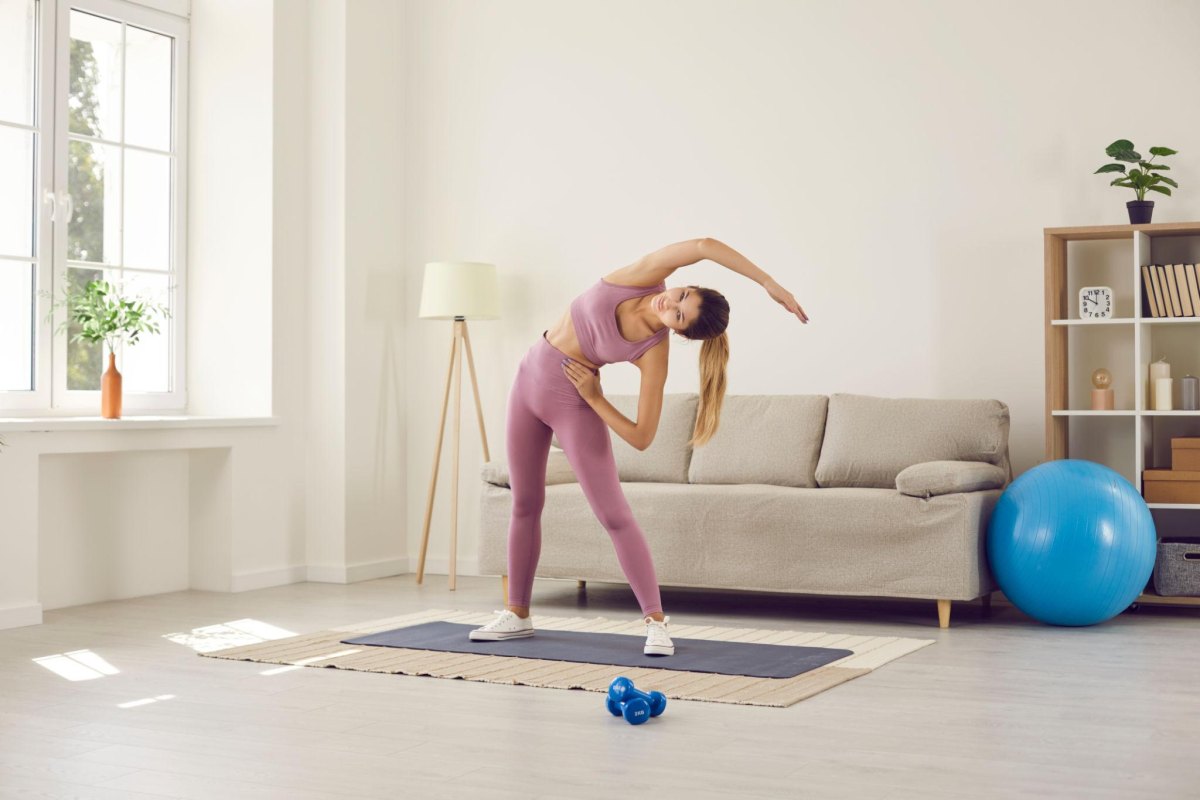
A warm-up is the part I stopped skipping after seeing how much easier sessions felt when my body was ready. My version takes about five minutes of movement, plus one minute to grab my mat and clear the floor.
The setup is simple: about two metres of floor space, a mat if you have one, and no jumping. My noise rating is quiet, which matters when you share walls or floors.
- Move. Walk in place, circle your shoulders, and gently loosen the hips.
- Practice. Use slow squats and reaches to prepare for the workout ahead.
My small-apartment tip
Keep the warm-up short enough that starting feels easy. A routine you repeat beats a perfect one you avoid.
Glute-Focused Exercises for a Rounded Shape
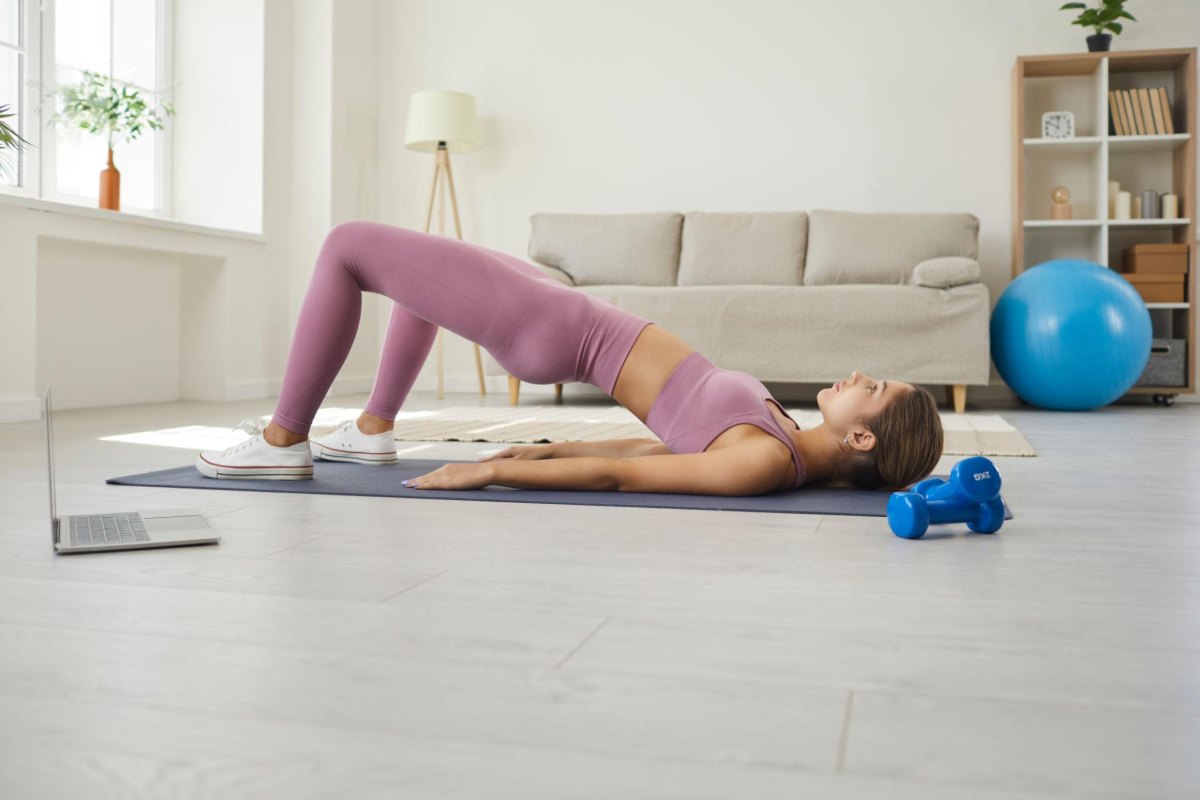
The glute section is where I spend most of my strength time because these movements are easy to repeat at home. My repeat count for this short glute session is about 50 completed sessions, mostly using bridges, squats, and band work.
Research reviews have found that resistance exercises involving hip extension, including movements such as hip thrusts and squats, can contribute to gluteus maximus development. The important part for me is consistency, not chasing a complicated list.
- Equipment: A resistance band helps, but bodyweight versions work when you own nothing.
- Total time: Around 18 minutes including setup and putting equipment away.
- Noise: Quiet, with no jumping required.
Waist-Sculpting Core Exercises at Home
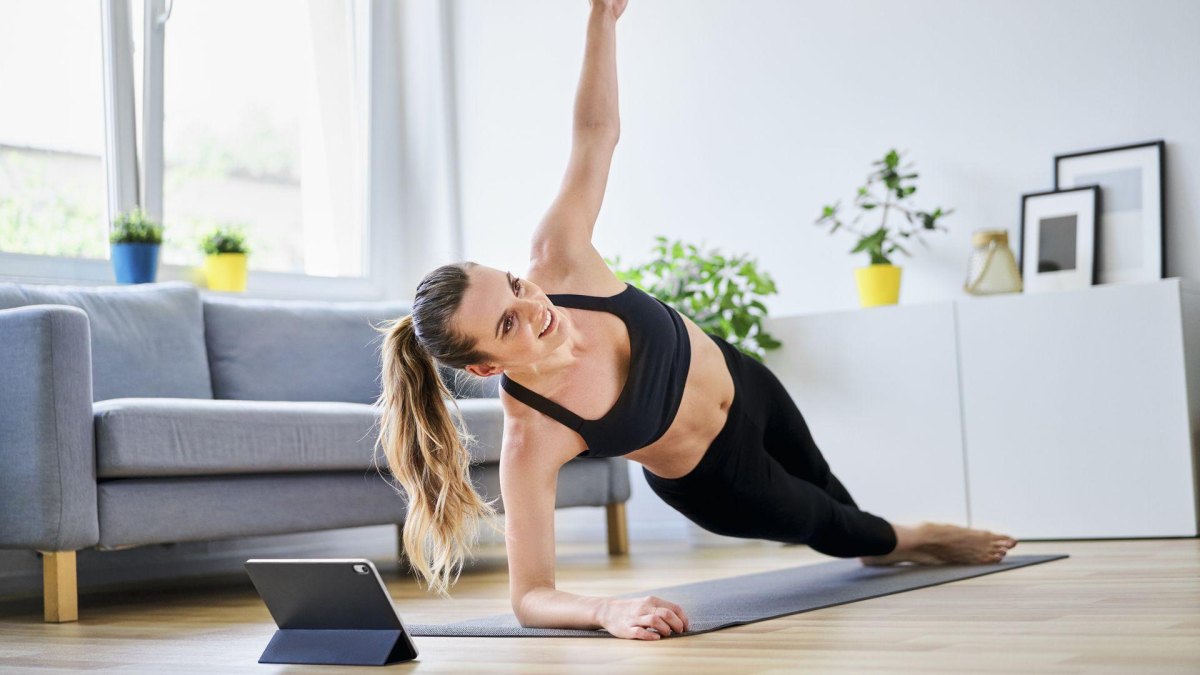
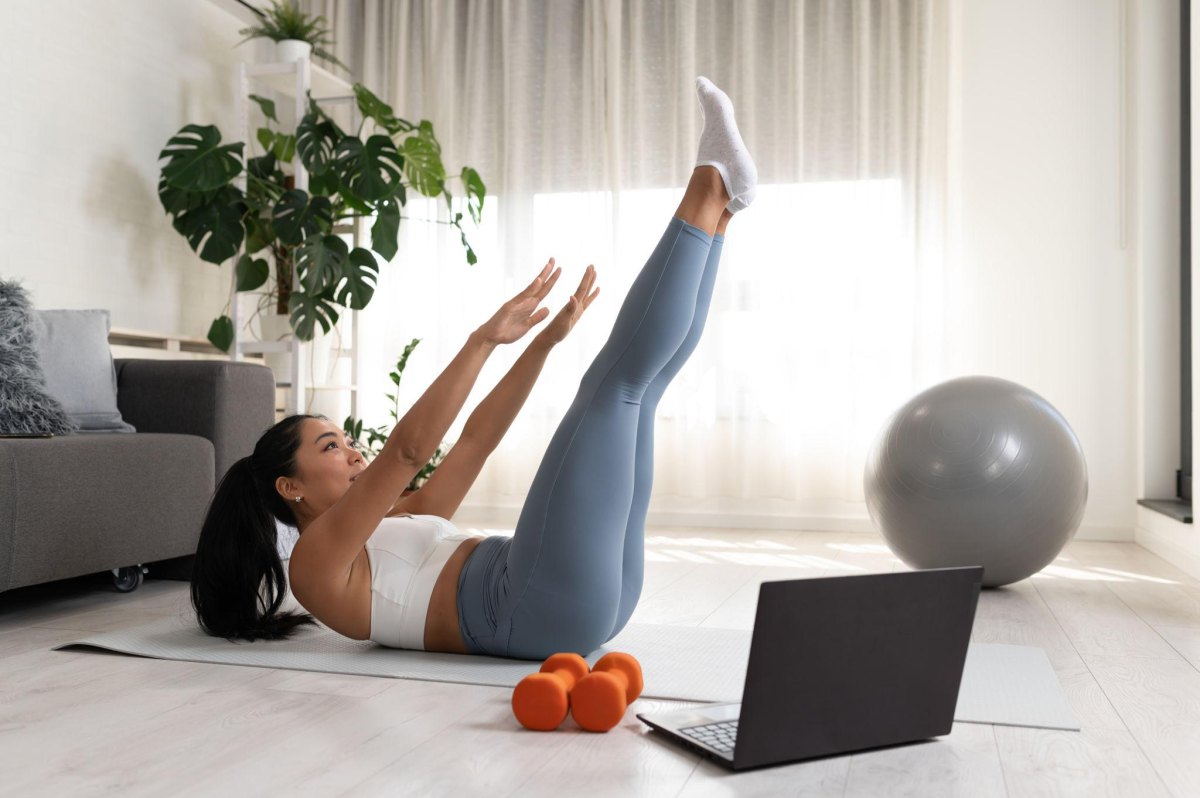
My favourite core sessions are the ones that do not turn into a dramatic event. A mat, a little space, and controlled core work are enough for a useful session.
I usually include planks, dead bug variations, and side-focused movements because they fit my apartment and my schedule. I avoid promising a specific shape outcome because bodies vary, but I do enjoy the feeling of building strength and control.
- Keep the movement slow enough that you can stay focused.
- Stop if you feel sharp pain, chest pain, dizziness, or unusual shortness of breath.
- Ask a healthcare professional before starting if you have a medical condition, are pregnant or postpartum, are returning after surgery or injury, or have not exercised for a long time.
Lower Body Moves to Build Curves
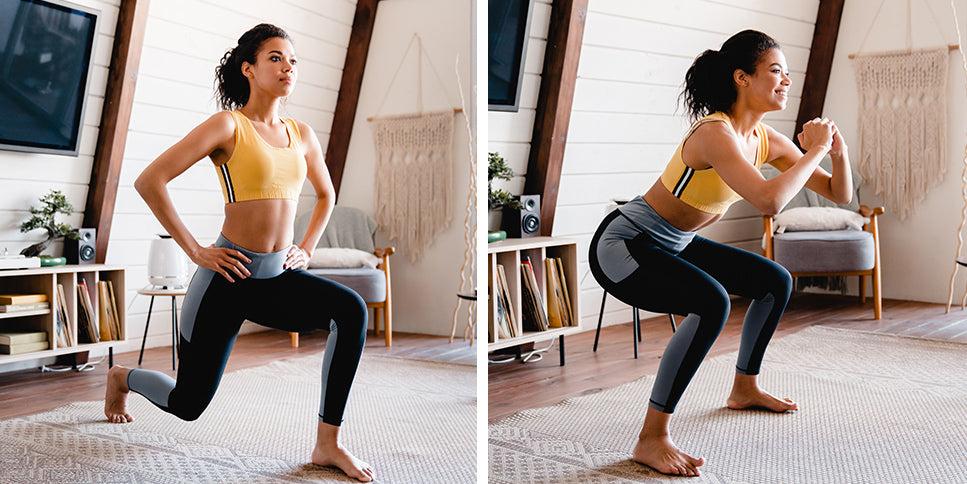
Lower body training is the part of my routine that makes the most sense for a small room. Squats, lunges, and step-ups need very little equipment and give me a repeatable strength session.
A recent review of resistance training research found support for combining different hip extension exercises rather than relying on only one movement. My own rule is simpler: if I still want to do it next month, it stays.
| Movement | Home setup |
|---|---|
| Squat | Bodyweight or dumbbells |
| Lunge | Open floor space |
| Step-up | Stable step or platform |
Upper Body Toning for Balanced Proportions
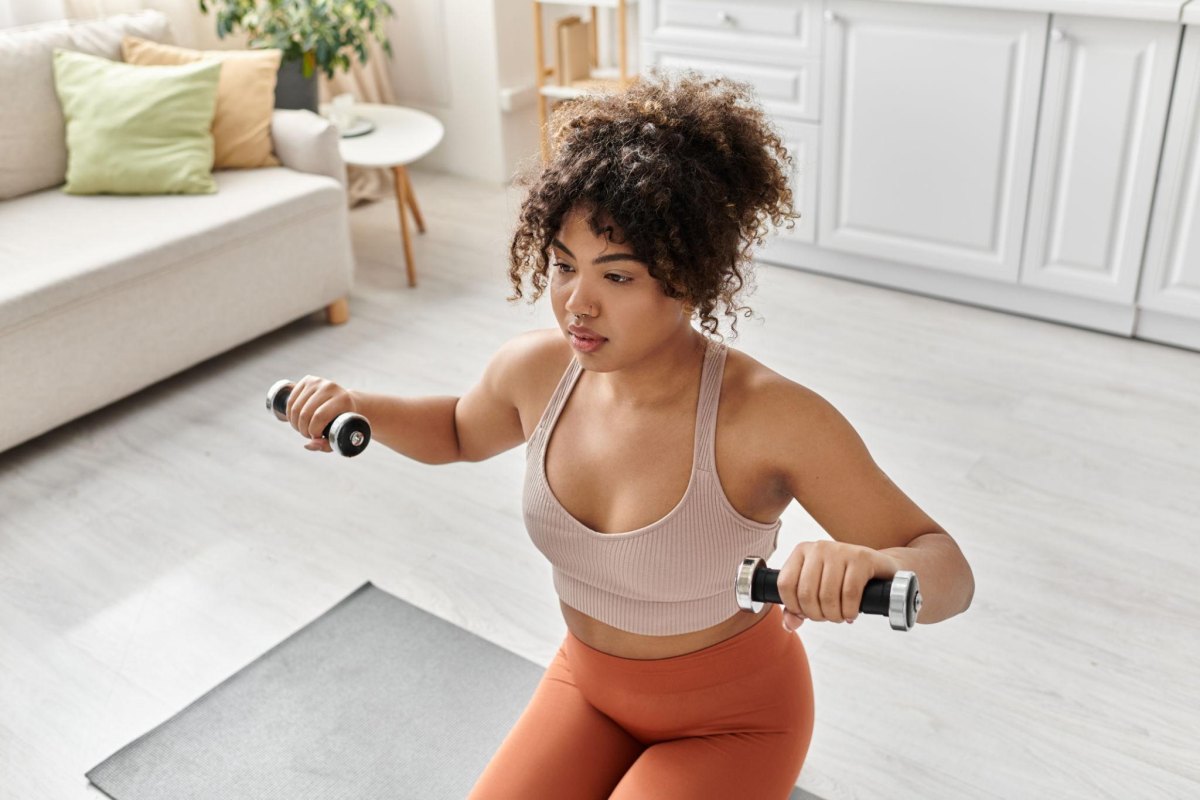
Upper body work keeps my routine feeling balanced. I use two dumbbell pairs, but honestly, a backpack with books can work as a temporary option. The goal is a steady strength habit, not a collection of equipment.
This session takes about 15 minutes of work, plus three minutes for setup and changing. The noise rating is quiet, and I do not need to move furniture.
What I like
- Easy to fit after a desk-heavy day.
- Small equipment footprint.
What I skip
- Exercises that shake the floor.
- Buying gear before I need it.
Hourglass HIIT Routine for Fat Burning
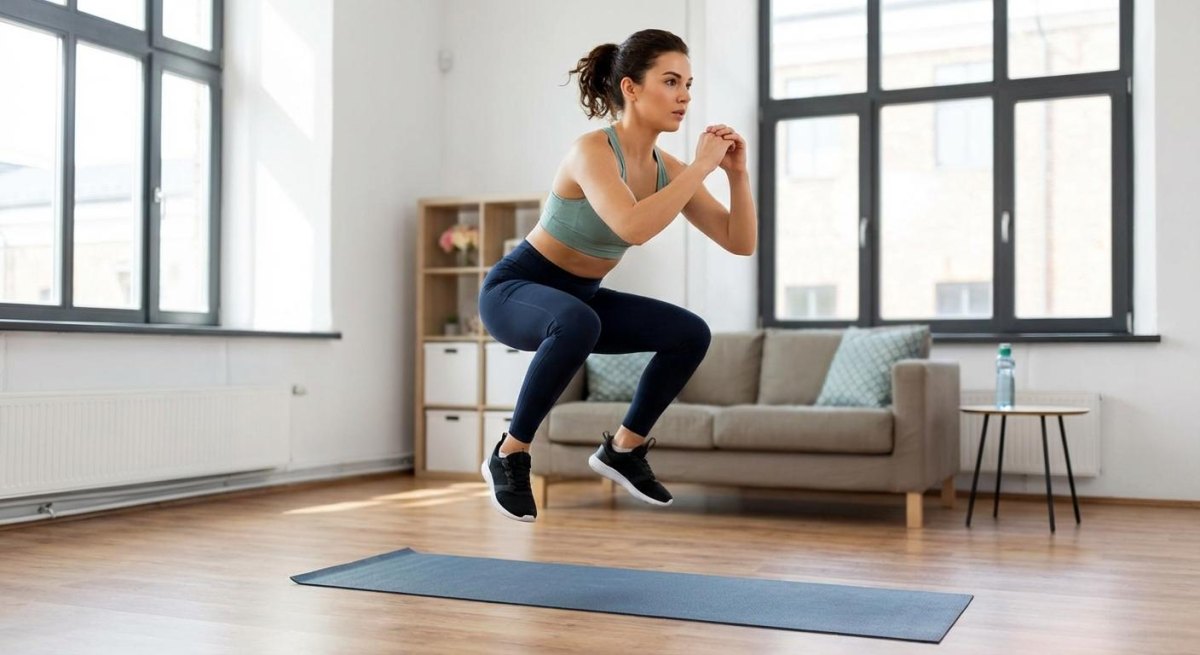
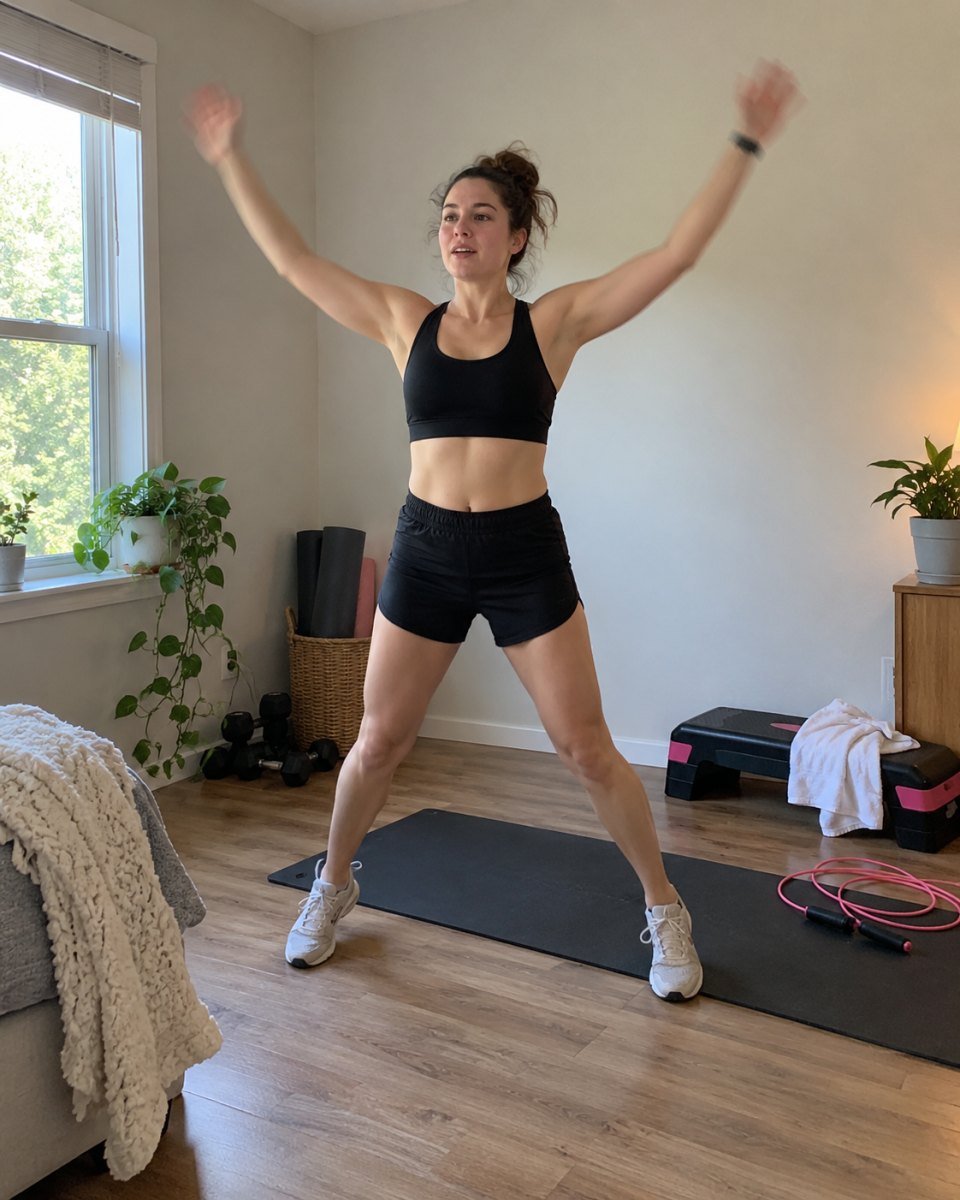
My apartment version of interval training is quieter than many online examples. I use timed rounds with strength movements instead of jumping because my downstairs neighbour does not need surprise ceiling vibrations.
High-intensity intervals are one form of vigorous activity, but they are not the only way to train. Guidelines note that vigorous activity can be done in shorter periods when the effort is higher. My version takes 20 minutes total including setup.
A note before intervals
Harder is not always better. Pain is a stop signal, and anything concerning should be checked with a qualified healthcare professional.
Stretching and Mobility for a Defined Silhouette
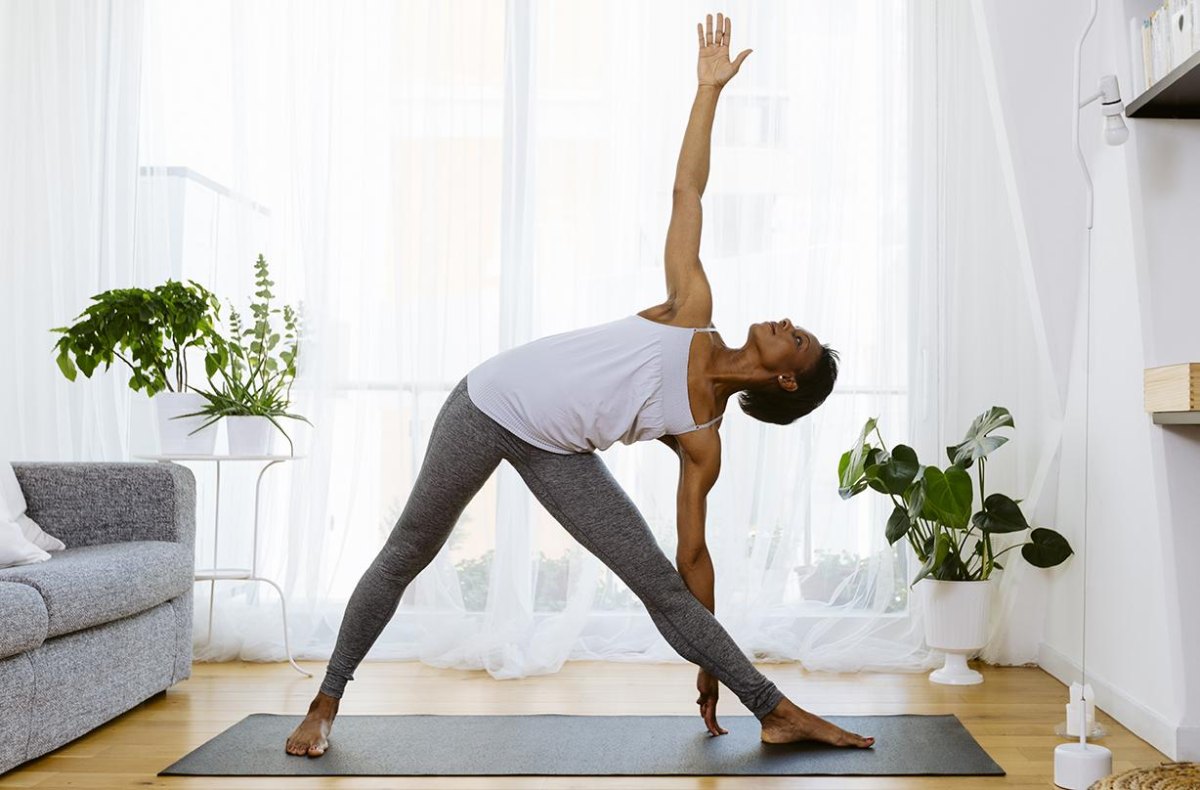
Stretching is the part I come back to when my schedule gets messy. A short mobility session feels achievable after a long day sitting, especially when the alternative is doing nothing.
This routine needs one metre of space and about 10 minutes including setup. My noise rating is completely quiet, making it the easiest option for late evenings.
My repeat test
The routines that survive my calendar are the ones I can imagine doing on an ordinary Tuesday, not just a highly motivated morning.
Weekly Hourglass Workout Plan for Home Training
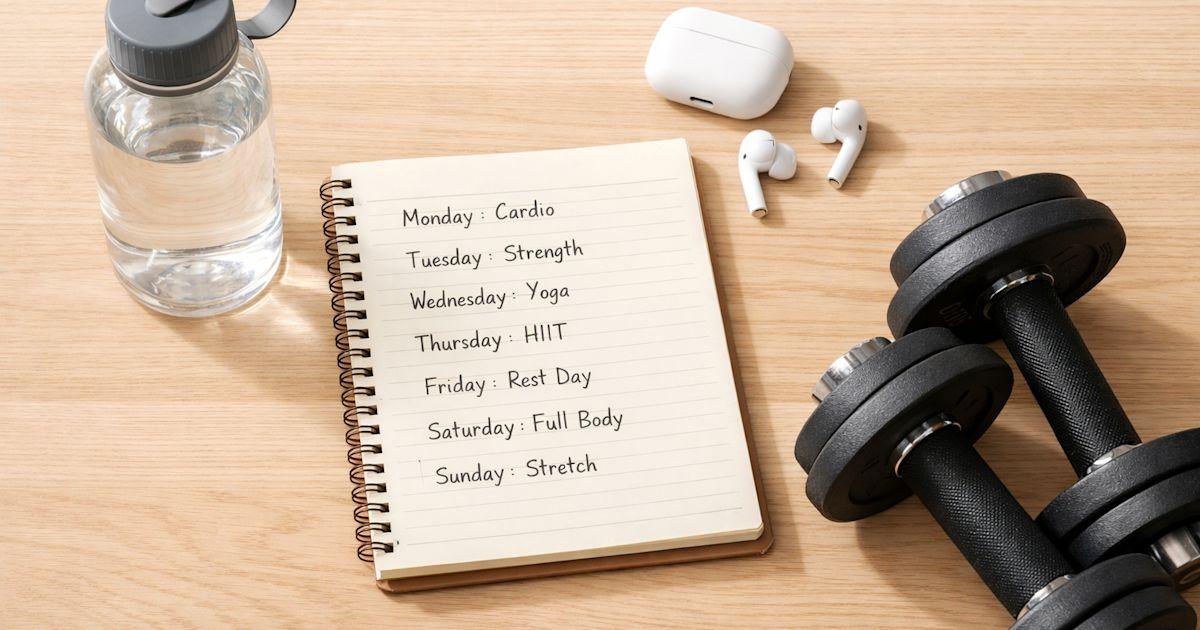
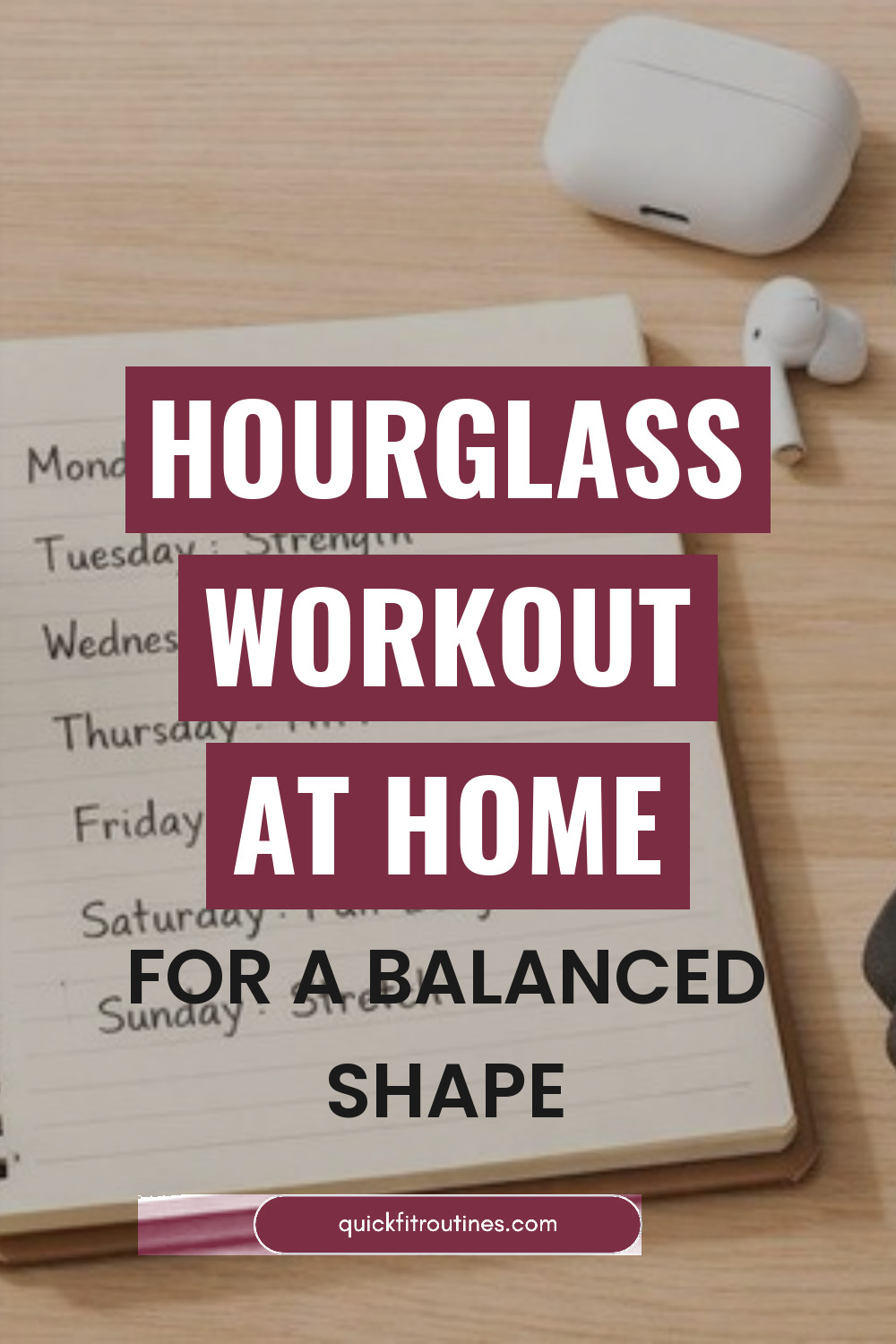
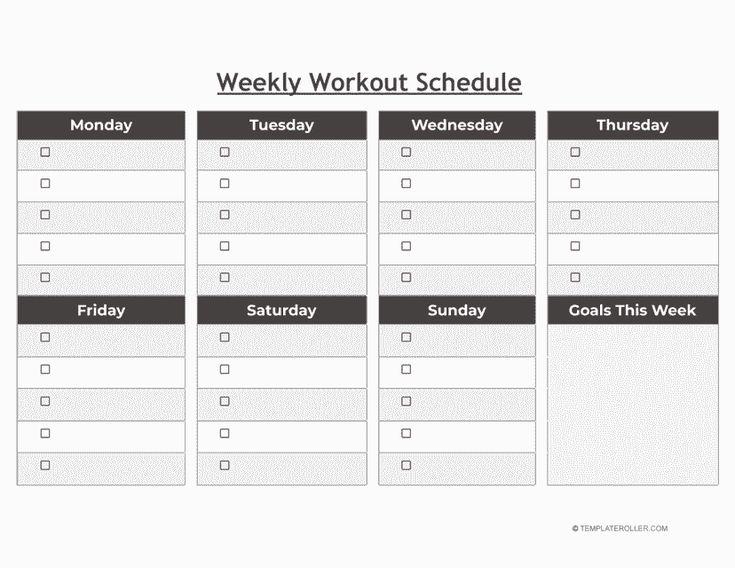
The weekly plan I actually follow leaves room for missed days because life happens. My favourite schedule is built around short repeatable sessions, not a perfect streak.
A basic structure can look like this:
| Day | Session |
|---|---|
| Monday | Full body strength |
| Wednesday | Glute and lower body focus |
| Friday | Upper body and core |
| Weekend | Mobility or rest |
The practical takeaway
If a week goes sideways, I restart with the next available session instead of trying to make up missed workouts. That is the habit that kept my home routine alive.

More Pinterest Visuals